Essential Cold Weather Drone Flying Tips for Beginners
Introduction
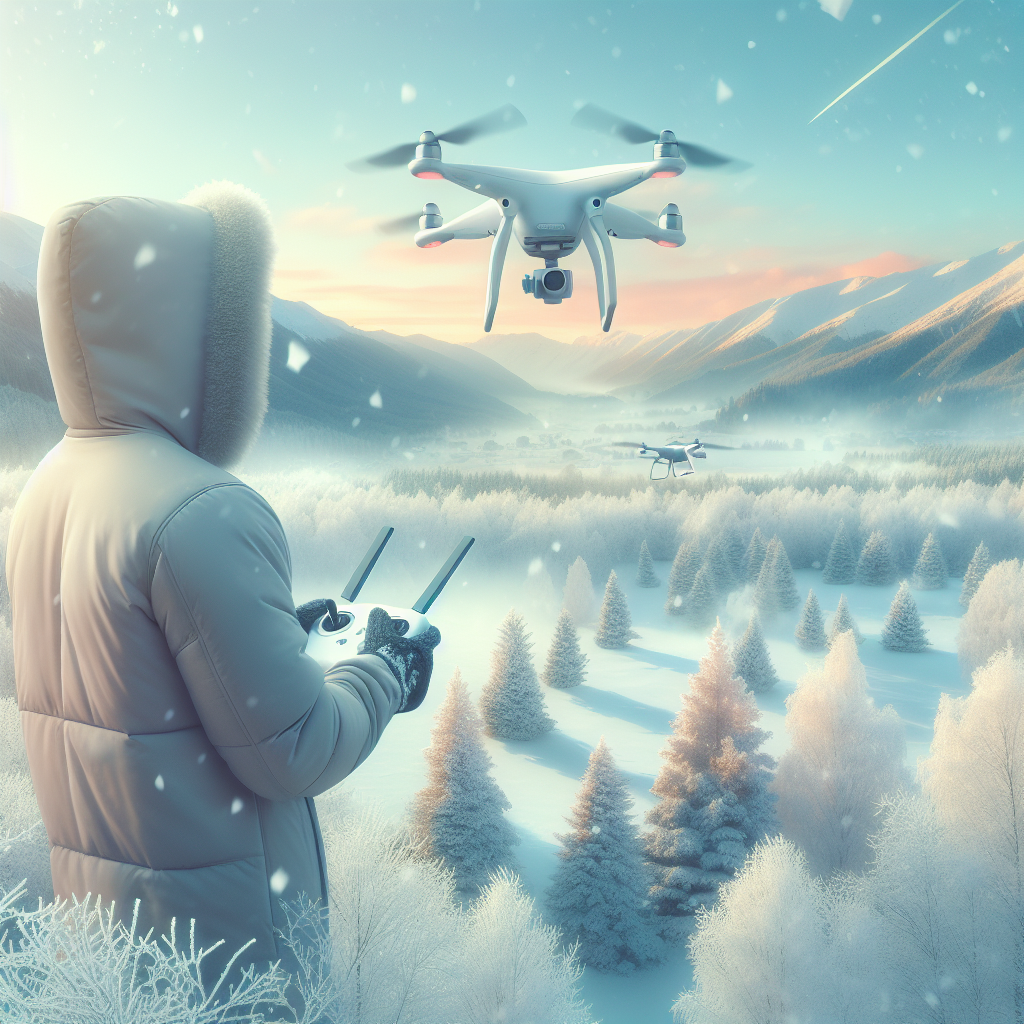
Flying drones is a rewarding hobby that allows enthusiasts to capture breathtaking aerial views and explore new perspectives. However, as the seasons change and temperatures drop, flying drones in cold weather presents unique challenges. Whether you are a beginner or a seasoned pilot, understanding the intricacies of cold weather flight is crucial to maintaining your drone’s performance and ensuring safe operations. This article provides essential tips for flying drones in cold weather, tailored specifically for beginners.
Understanding Cold Weather Challenges
Battery Performance
Cold weather can significantly affect a drone’s battery performance. Lithium polymer (LiPo) batteries, commonly used in drones, are sensitive to temperature changes. In low temperatures, the chemical reaction within the battery slows down, reducing its efficiency and capacity. This results in shorter flight times, decreased power, and an increased risk of the drone shutting down mid-flight.
GPS and Sensors
Cold temperatures can affect the accuracy of your drone’s GPS and sensors. The cold can cause condensation and fogging on sensors, leading to poor altitude hold and navigation issues. Additionally, the GPS signal can be weaker in cold conditions, impacting the drone’s positioning accuracy.
Mechanical Components
Cold weather can cause mechanical components, like the drone’s motors and propellers, to become brittle and less responsive. This can lead to reduced maneuverability and increased wear and tear on the drone.
Pre-Flight Preparations
Check the Weather
Before heading out, always check the weather forecast. Avoid flying in extremely cold, windy, or snowy conditions. Look for clear skies and moderate temperatures that won’t put excessive strain on your drone’s components.
Inspect Your Drone
Conduct a thorough inspection of your drone before every flight. Check for any signs of damage or wear, especially on the propellers and motors. Ensure that all components are securely attached and functioning properly.
Warm Up Your Batteries
To maximize battery performance, keep your batteries warm before use. Store them in an insulated container or your car until you’re ready to fly. You can also use hand warmers or battery warmers specifically designed for drone batteries.
Update Firmware
Ensure your drone’s firmware is up-to-date. Manufacturers often release updates that include improvements for cold weather performance, so staying current can enhance your flying experience.
During Flight Tips
Monitor Battery Levels
Keep a close eye on your battery levels during flight. Cold temperatures can cause a sudden drop in voltage, so it’s essential to land your drone with ample battery life remaining. Aim to finish your flight with at least 30% battery to prevent unexpected shutdowns.
Shorten Flight Times
In cold weather, it’s advisable to shorten your flight times. This reduces the strain on your batteries and helps prevent them from becoming too cold. Plan shorter missions and land your drone frequently to check battery temperatures.
Avoid High Altitudes
Flying at high altitudes in cold weather can expose your drone to even lower temperatures and stronger winds. Stick to lower altitudes where the air is warmer and more stable, reducing the risk of losing control.
Be Gentle with Controls
Cold weather can make your drone’s controls feel less responsive. Use gentle inputs and avoid sudden movements, which can strain the motors and other mechanical components. Smooth and gradual control inputs will help maintain stability.
Post-Flight Care
Warm Up Your Drone
After a flight, allow your drone to warm up gradually to room temperature before storing it. Avoid placing it directly near heat sources, as rapid temperature changes can cause condensation to form, potentially damaging sensitive components.
Inspect and Clean
Inspect your drone for any signs of moisture or debris. If you notice any dirt or moisture, gently clean and dry the affected areas. Pay special attention to the camera lens and sensors to ensure clear and accurate recordings on your next flight.
Charge Batteries Slowly
Cold weather can affect the charging process, so it’s essential to charge your batteries at room temperature. Allow them to warm up naturally before plugging them in, and use a slow charging method to prevent overcharging or damaging the cells.
Additional Tips for Cold Weather Drone Flying
Use Propeller Guards
Propeller guards can provide an extra layer of protection against obstacles and help prevent damage to the drone’s propellers. They also make the drone more visible in snowy or foggy conditions.
Invest in a Hand Warmer
Keeping your hands warm is crucial for maintaining control over your drone. Consider using a hand warmer or wearing gloves designed for touchscreen use, allowing you to operate your remote controller comfortably.
Practice in Controlled Environments
If you’re new to flying drones in cold weather, practice in a controlled environment like a large indoor space or a sheltered outdoor area. This will help you become familiar with how your drone responds to cold conditions without the added risk of harsh weather.
Conclusion
Flying drones in cold weather can be a rewarding experience, offering unique landscapes and perspectives. However, it’s essential to understand the challenges posed by low temperatures and take proactive steps to mitigate them. By following the tips outlined in this article, beginners can enjoy safe and successful flights even in chilly conditions. Remember to prioritize safety, monitor your drone’s performance, and adjust your flying habits to suit the winter environment. With the right preparation and care, you can continue to capture stunning aerial footage all year round.
#ChatGPT assisted in the creation of this article.
Share this content:



Post Comment