Master Drone Flying Techniques Near Water Safely

Introduction
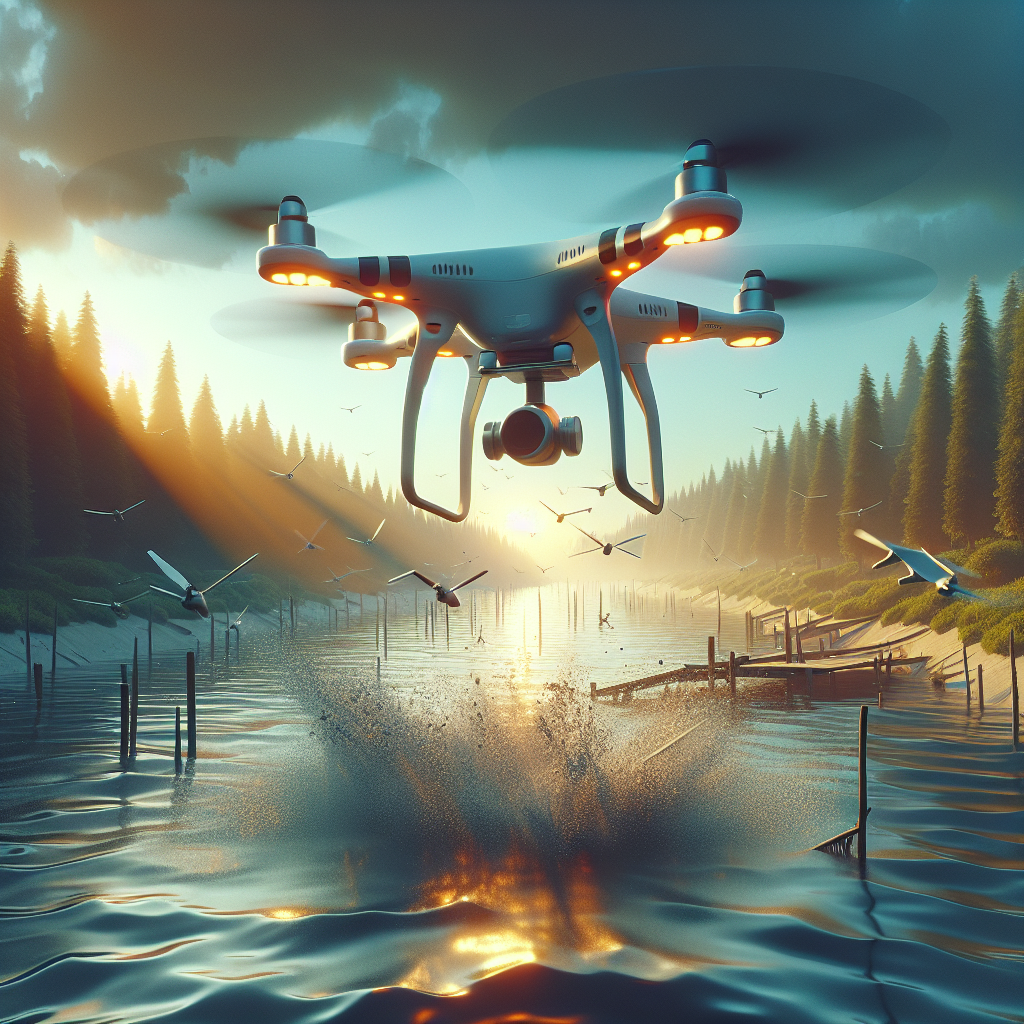
Flying drones near water can be an exhilarating experience, offering stunning aerial views and unique perspectives that are otherwise difficult to capture. However, it also comes with its own set of challenges and risks. Water presents a significant hazard to drones, as they are not waterproof, and a crash could mean losing your valuable equipment. With the right techniques and precautions, you can safely enjoy flying your drone near water. In this article, we will explore essential tips and techniques to master drone flying by water while minimizing risks.
Understanding the Challenges
Before delving into techniques, it is crucial to understand the specific challenges associated with flying drones near water. Wind conditions can be unpredictable over large bodies of water, potentially destabilizing your drone. Reflections from the water surface can interfere with the drone’s sensors, making navigation more difficult. Furthermore, a water crash can be fatal to your drone, causing irreversible damage.
Essential Preparations
Preparation is key to successful drone flying near water. Before you even take off, there are several steps you should take to ensure a safe and enjoyable experience.
Check Local Regulations
Always check local drone regulations before flying near water. Some areas may have restrictions, especially near marine sanctuaries or airports. Make sure you have the necessary permits and that you comply with all legal requirements.
Inspect Your Equipment
Performing a thorough pre-flight inspection of your drone is essential. Check for any signs of wear and tear, ensure all components are functioning properly, and that the battery is fully charged. Make sure the drone’s firmware is updated and that all sensors, particularly GPS and compass, are calibrated.
Plan Your Flight Path
Planning your flight path in advance can help you avoid potential hazards. Use mapping software to chart your course and identify any obstacles, such as trees or power lines. Having a clear plan will also help you conserve battery life by avoiding unnecessary maneuvers.
Mastering Flight Techniques
Once you are prepared, it’s time to focus on mastering specific flight techniques that will help you fly safely near water.
Maintain Line of Sight
Always keep your drone within line of sight. This will not only help you maintain control over the drone but also allow you to react quickly to any unforeseen events. Avoid flying too far out over open water where maintaining visual contact becomes difficult.
Control Altitude Carefully
Flying at a consistent altitude is crucial when near water. Avoid flying too low, as sudden gusts of wind or waves can create turbulence. Conversely, flying too high might cause you to lose sight of your drone. Practice maintaining a steady altitude and use your drone’s altitude lock feature if available.
Utilize GPS Mode
Use GPS mode whenever possible to stabilize your drone. This mode provides greater control and allows the drone to hover steadily, which is especially important when flying over water. Be mindful of GPS signal strength, as weak signals can lead to erratic behavior.
Avoid Sudden Movements
Smooth and gradual movements are essential when flying near water. Abrupt maneuvers can destabilize the drone and increase the risk of losing control. Practice controlled take-offs and landings, and use gentle inputs to adjust direction and speed.
Handling Emergencies
Despite careful preparation and skilled flying, emergencies can happen. Knowing how to handle these situations can make the difference between losing your drone and recovering it safely.
Dealing with Loss of Signal
If you lose signal, stay calm. Most modern drones have a return-to-home feature that can safely guide them back to you when the signal is lost. Ensure this feature is activated and correctly set up before flying.
Managing Low Battery
Monitor your drone’s battery level closely. When flying near water, return to land as soon as you receive a low battery warning. It’s better to cut your flight short than risk a crash due to depleted power.
Emergency Landings
In the event of an emergency where landing over water is unavoidable, try to direct the drone towards any nearby boats, docks, or other solid surfaces. Practice controlled descent to minimize impact damage.
Post-Flight Considerations
After a successful flight, there are a few post-flight considerations to ensure your drone remains in optimal condition.
Inspect for Damage
After landing, inspect your drone for any signs of damage or wear. Pay particular attention to the motors and camera gimbal, as these are most susceptible to damage during flight.
Review Flight Data
Analyzing your flight data can provide valuable insights for future flights. Review the flight path, altitude changes, and any anomalies that occurred during the flight. This data can help you improve your flying skills and plan safer flights in the future.
Store Equipment Properly
Store your drone and accessories in a dry, safe place. If any components got wet during the flight, ensure they are thoroughly dried before storage to prevent corrosion or damage.
Conclusion
Flying drones near water can be a rewarding experience, offering breathtaking views and unique photography opportunities. However, it requires a keen understanding of the associated risks and the mastery of specific techniques to ensure a safe flight. By following the tips outlined in this article, you can enhance your skills and fly confidently near water while minimizing potential hazards. Always remember, preparation and caution are your best allies in mastering drone flying near water safely. Happy flying!
#ChatGPT assisted in the creation of this article.
Share this content:



Post Comment