Mastering Drone Return: Essential Guide for Safe Landings
Introduction
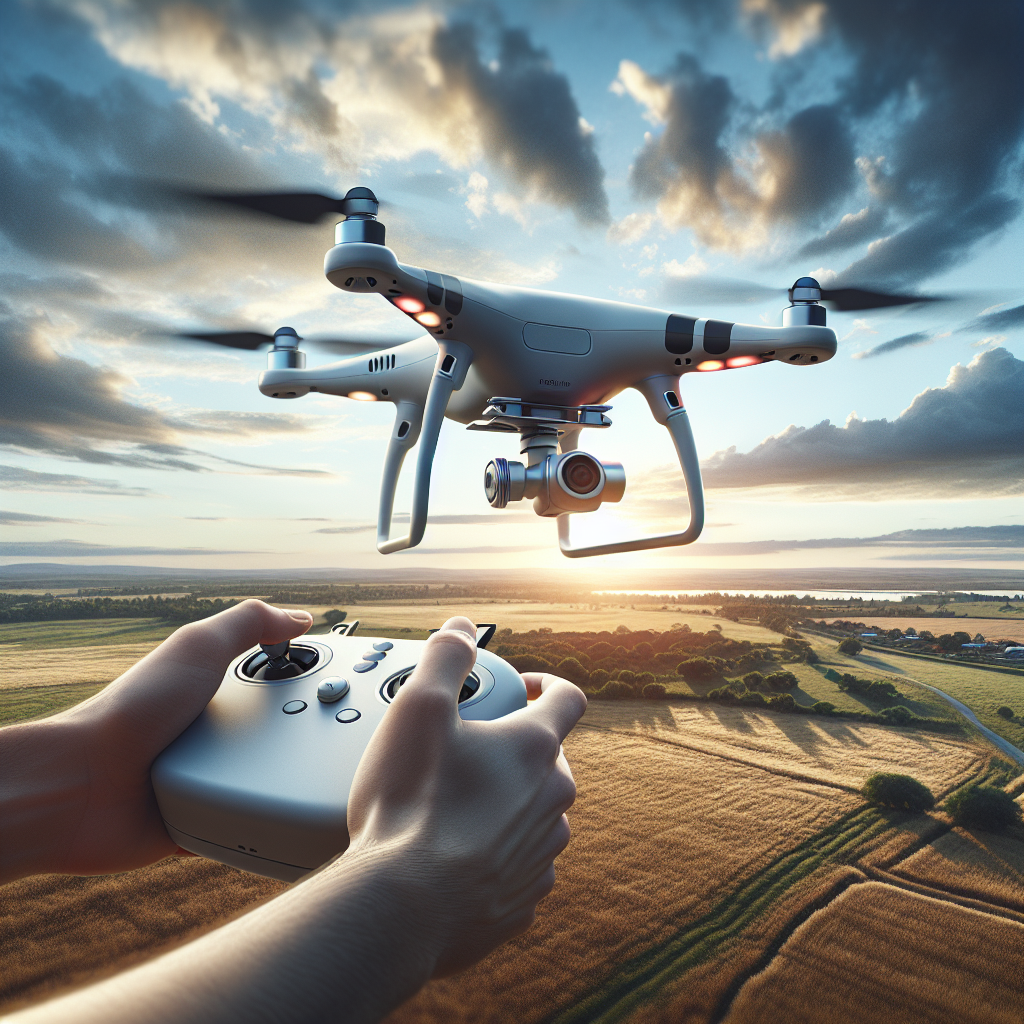
Flying a drone is an exhilarating experience that combines technology, skill, and creativity. However, while capturing stunning aerial shots can be the highlight of drone flying, ensuring a safe return is equally crucial. Mastering the art of landing your drone safely is essential, not only for the longevity of your device but also to prevent accidents and ensure public safety. This comprehensive guide will walk you through the key aspects of achieving safe drone landings, from pre-flight checks to advanced landing techniques.
Understanding the Importance of Safe Landings
Before diving into the techniques, it’s crucial to understand why safe landings are a fundamental aspect of drone flying:
1. Protecting Your Investment
Drones are significant financial investments. A safe landing minimizes the risk of damage, thereby extending the lifespan of your equipment.
2. Ensuring Public Safety
A poorly executed landing can pose risks to people and property. Mastering safe landings mitigates these risks.
3. Compliance with Regulations
Many regions have stringent regulations regarding drone operations. Safe landings are often part of compliance measures, helping you avoid legal complications.
Pre-Flight Preparations
Successful landings begin before you even take off. Here’s what you need to do:
1. Conduct a Thorough Pre-Flight Check
– **Inspect Your Drone:** Check for any visible damage to the propellers, battery, and body of the drone.
– **Ensure Battery Health:** A fully charged and healthy battery is essential for a safe return.
– **Calibrate the Drone:** Sensor calibration, including the compass and GPS, is vital for precise control.
2. Assess Weather Conditions
– **Wind Speed:** High winds can destabilize your drone, making landing difficult.
– **Rain and Fog:** Moisture can damage your drone and reduce visibility, complicating the landing process.
3. Plan Your Flight Path
– **Identify Landing Zones:** Before take-off, identify potential landing spots that are flat, clear, and free from obstacles.
– **Maintain Line of Sight:** Always keep your drone within your line of sight to better manage its descent.
Basic Landing Techniques
Once you’re airborne, these basic landing techniques will help ensure a safe return:
1. Manual Landing
– **Hover Above the Landing Spot:** Bring your drone to a hover a few feet above your landing zone to stabilize it.
– **Descend Slowly:** Gently lower the throttle, allowing the drone to descend gradually.
– **Keep Adjusting for Stability:** Use slight control inputs to counteract any drift or wind effects.
2. Automatic Return to Home (RTH)
– **Set the RTH Altitude:** Ensure that the RTH altitude is set higher than the tallest obstacle in the area to avoid collisions.
– **Activate RTH with Caution:** Engage the RTH function, and monitor the drone’s path to ensure it aligns correctly with the landing zone.
– **Be Ready to Take Over:** Always be prepared to switch to manual control if the automatic system encounters an issue.
Advanced Landing Techniques
For more experienced pilots, mastering advanced techniques can further enhance landing safety:
1. Precision Landing
– **Utilize GPS and Visual Sensors:** Some drones come equipped with precision landing capabilities that use GPS and visual sensors to land accurately on a designated spot.
– **Calibrate Regularly:** Regular calibration of sensors is critical for precision landing functionality.
2. Hand Catching
– **Use This Method When Necessary:** In environments with uneven or unsafe landing surfaces, hand catching can be a viable option.
– **Exercise Extreme Caution:** Approach the drone from the front, grasp it firmly with one hand, and use the other to cut the throttle.
Troubleshooting Landing Issues
Even with preparation, unforeseen issues can arise. Here’s how to troubleshoot common landing problems:
1. GPS Signal Loss
– **Avoid Metal Structures:** Metal structures can interfere with GPS signals. Fly away from these if you experience signal loss.
– **Switch to Manual Control:** If GPS guidance fails, switch to manual control to safely guide your drone to the ground.
2. Battery Drain Mid-Flight
– **Monitor Battery Levels Constantly:** Keep an eye on your battery levels and initiate a return before the battery is critically low.
– **Use Emergency Landings:** If the battery drains unexpectedly, execute an emergency landing on the nearest safe surface.
3. Wind Disturbance
– **Adjust Flight Path:** If strong winds push your drone off course, adjust your flight path to compensate.
– **Increase Descent Speed:** In strong winds, a slightly faster descent can help maintain control.
Post-Landing Procedures
After a successful landing, it’s vital to follow these post-landing procedures:
1. Power Down the Drone
– Turn off the drone and remove the battery to prevent overheating and prolong battery life.
2. Inspect for Damage
– **Check for Wear and Tear:** Look for any signs of damage to the propellers, body, or sensors.
– **Address Issues Promptly:** If you find any damage, address it before your next flight.
3. Review Flight Data
– **Analyze Performance:** Use the flight data to assess performance and identify any issues that occurred during landing.
– **Adjust Future Flights:** Make necessary adjustments to your flight plan based on the data review.
Conclusion
Mastering drone return and ensuring safe landings is an essential skill for every drone pilot. By prioritizing pre-flight preparations, mastering both basic and advanced landing techniques, and knowing how to troubleshoot common issues, you can significantly enhance your flying experience. Remember, a successful flight is not just about a smooth take-off and capturing breathtaking footage; a safe and controlled landing is equally important. With practice and attention to detail, you can ensure that every drone flight ends safely and successfully. Happy flying!
#ChatGPT assisted in the creation of this article.
Share this content:




Post Comment