Unveiling Drone Pros and Cons: A Comprehensive Guide
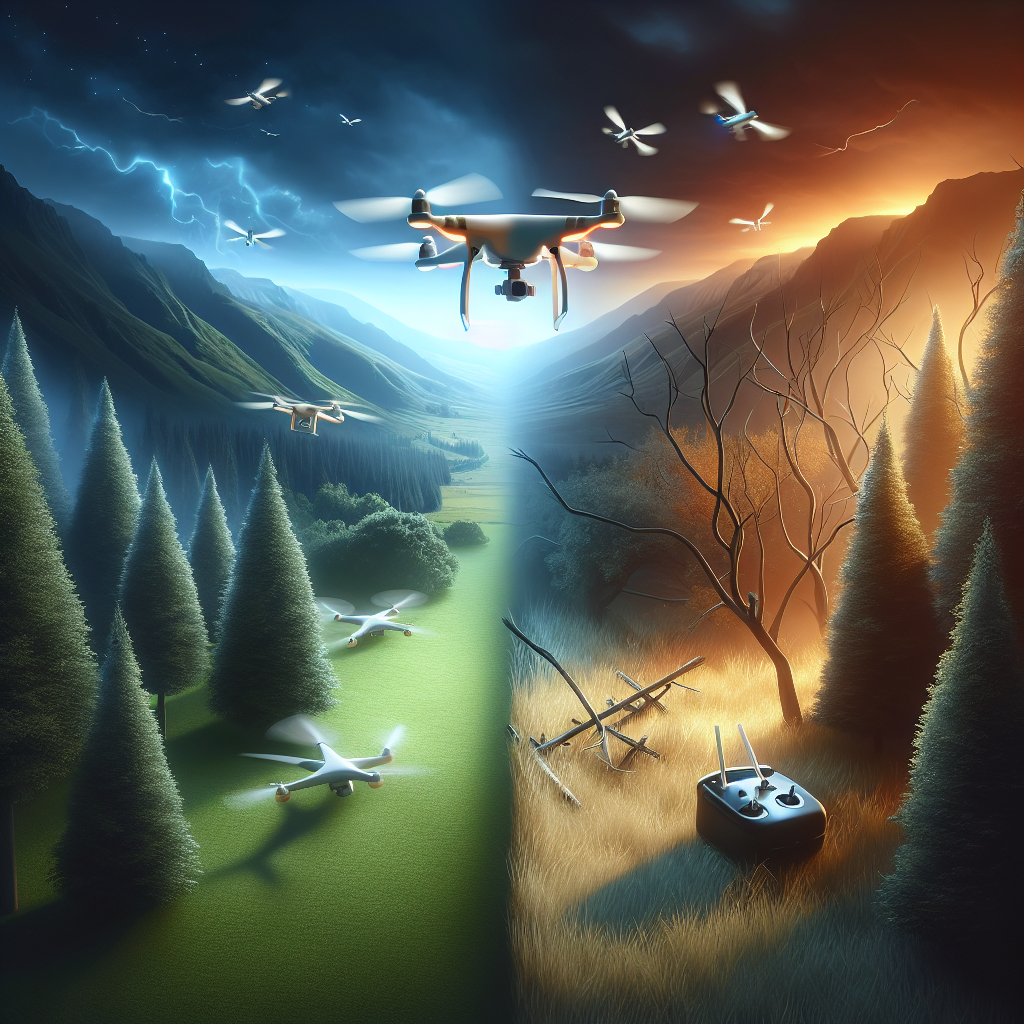
The rapid advancement in drone technology has opened up a new world of opportunities across numerous industries. From photography and videography to agriculture and surveillance, drones are transforming how we view and interact with our world. However, like any technology, drones come with their own set of advantages and disadvantages. This comprehensive guide aims to explore the pros and cons of drones, helping you understand their impact and potential.
The Advantages of Drones
1. Aerial Photography and Videography
Drones have revolutionized the field of photography and videography. Equipped with high-resolution cameras, drones can capture stunning aerial shots that were once only possible with helicopters. This capability has democratized high-quality aerial imaging, making it accessible to amateur photographers and filmmakers. The unique perspectives offered by drone photography can enhance creative projects, real estate listings, and travel documentaries.
2. Efficiency in Agriculture
In agriculture, drones are becoming invaluable tools for farmers. They can be used for crop monitoring, soil analysis, and even planting. Drones equipped with multispectral sensors can assess crop health, detect plant diseases, and optimize irrigation. This technology enables precision agriculture, allowing farmers to maximize yields while minimizing resources and environmental impact.
3. Search and Rescue Operations
Drones have proven to be life-saving tools in search and rescue operations. They can cover vast areas quickly and provide real-time data to rescue teams. Equipped with thermal imaging cameras, drones can locate missing persons in challenging terrains or disaster-stricken areas where accessibility is limited. Their ability to operate in adverse weather conditions further enhances their utility in emergency situations.
4. Data Collection and Research
For researchers and scientists, drones offer a new means of collecting data in remote or hazardous environments. They can be deployed to monitor wildlife, study geological formations, and observe weather patterns without risking human safety. The data collected by drones can significantly contribute to scientific research and environmental conservation efforts.
5. Delivery Services
One of the most anticipated uses of drones is in delivery services. Companies like Amazon and UPS are exploring drone delivery systems to provide faster and more efficient package deliveries. Drones can bypass traffic congestion and reach remote areas, potentially revolutionizing the logistics industry. This innovation could lead to quicker delivery times and reduced transportation costs.
The Disadvantages of Drones
1. Privacy Concerns
One of the major drawbacks of drones is the potential invasion of privacy. Drones equipped with cameras can capture images and videos without the consent of individuals, leading to privacy violations. Concerns about surveillance and unauthorized data collection are prevalent, prompting calls for stricter regulations to protect individual privacy rights.
2. Safety Risks
While drones offer numerous benefits, they also pose safety risks. Technical malfunctions or operator errors can lead to accidents, causing harm to people and property. The risk of drones colliding with manned aircraft is a significant concern, especially in shared airspace. To mitigate these risks, stringent safety protocols and training for drone operators are essential.
3. Regulatory Challenges
The rapid proliferation of drones has outpaced the development of regulatory frameworks. Governments worldwide are grappling with the challenge of creating laws that balance innovation with safety and privacy concerns. Navigating complex regulations can be daunting for drone operators, impacting their ability to utilize drones effectively.
4. Limited Flight Time
Most consumer drones have a limited flight time due to battery constraints. Typically, drones can fly for 20 to 30 minutes before requiring a recharge, which can be a significant limitation for certain applications. Although advancements in battery technology are underway, the current limitations can hinder the efficiency and practicality of drone operations.
5. Environmental Impact
While drones offer eco-friendly alternatives to traditional methods, they are not without environmental concerns. The production, operation, and disposal of drones contribute to carbon emissions and electronic waste. Moreover, the noise generated by drones can disrupt wildlife and disturb natural habitats, raising ecological concerns.
Balancing the Pros and Cons
The integration of drones into various sectors requires a careful balance between harnessing their benefits and addressing their drawbacks. Promoting responsible drone usage involves implementing comprehensive regulations, fostering public awareness, and investing in technology that enhances safety and efficiency.
Regulatory Frameworks
Governments play a crucial role in shaping the future of drones by establishing clear and comprehensive regulatory frameworks. These frameworks should address privacy concerns, ensure safety in shared airspace, and promote innovation. Collaboration between regulatory bodies, industry stakeholders, and the public is essential to create effective policies that encourage responsible drone use.
Technological Advancements
Continued advancements in drone technology can mitigate many of the current limitations. Research into longer-lasting batteries, improved collision avoidance systems, and quieter drone designs can enhance the overall safety and efficiency of drones. Investing in technology that reduces the environmental impact of drones is also vital for sustainable drone operations.
Education and Training
Educating drone operators and the public about safe and responsible drone use is crucial. Training programs that emphasize safety protocols, privacy considerations, and regulatory compliance can significantly reduce the risks associated with drone operations. Public awareness campaigns can also address privacy concerns and foster a greater understanding of the benefits and limitations of drones.
Conclusion
Drones have undeniably transformed numerous industries, offering unique capabilities and opportunities. However, their widespread adoption necessitates a careful examination of their pros and cons. By addressing privacy concerns, ensuring safety, and fostering technological advancements, we can unlock the full potential of drones while minimizing their drawbacks. As drones continue to evolve, striking a balance between innovation and responsibility will be key to their successful integration into our daily lives.
#ChatGPT assisted in the creation of this article.
Share this content:


Post Comment