Drone Weight Comparison: Find the Perfect Balance
Introduction
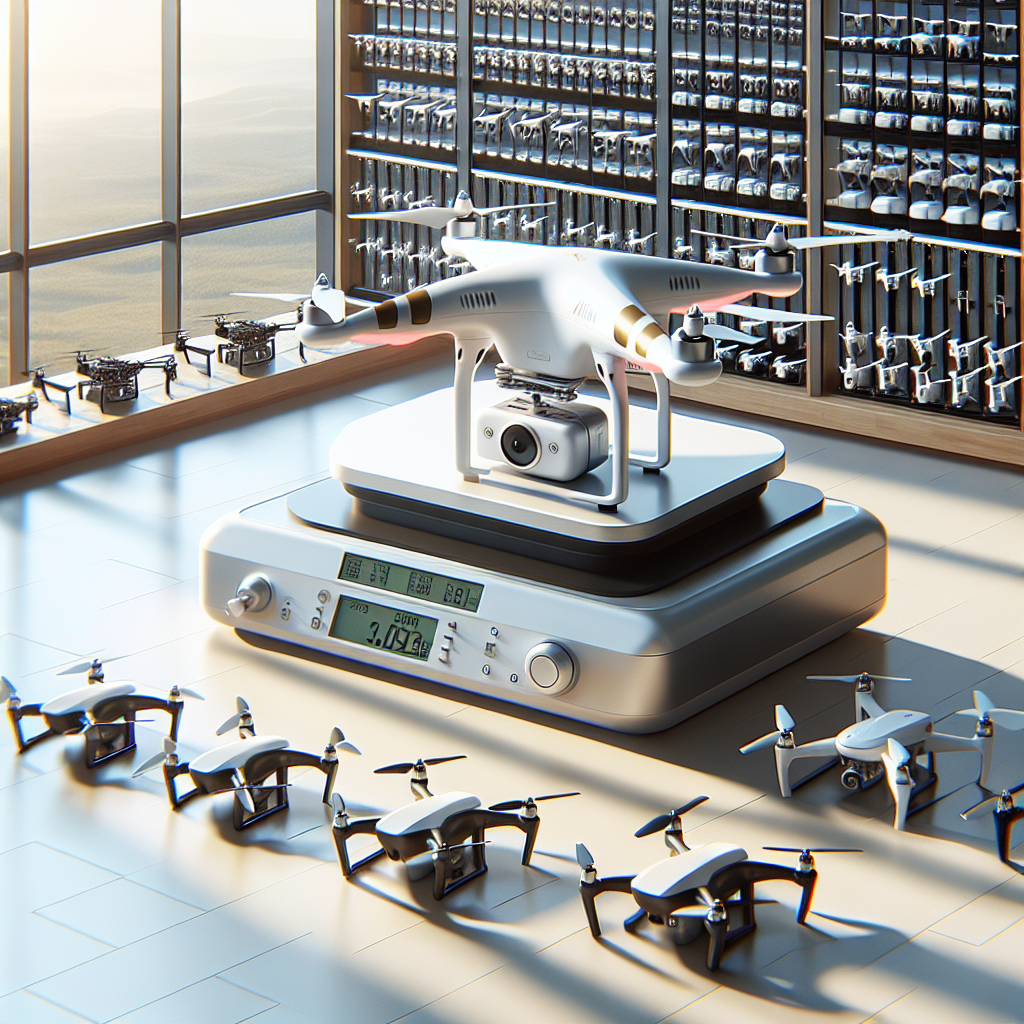
Drones have rapidly evolved over the past decade, becoming indispensable tools for photographers, videographers, hobbyists, and professionals alike. One of the critical aspects that often gets overlooked in the pursuit of the perfect drone is its weight. The weight of a drone can significantly impact its performance, battery life, portability, and even legality in certain regions. This article delves into the nuances of drone weight, helping you find the perfect balance for your needs.
Understanding Drone Weight Categories
Ultra-Light Drones (Under 250g)
Ultra-light drones have become increasingly popular due to regulations in several countries that exempt drones weighing less than 250 grams from registration requirements. These drones are highly portable, making them ideal for travelers and beginners.
Benefits:
– **Ease of Use**: Their lightweight nature makes them easy to handle and transport.
– **Regulatory Advantages**: In many regions, these drones do not require registration, allowing for hassle-free flying.
– **Improved Flight Time**: Due to their lighter build, the motors exert less effort, potentially leading to longer flight times.
Drawbacks:
– **Limited Features**: Due to weight constraints, these drones might lack advanced features found in heavier models.
– **Stability Issues**: They can be more susceptible to wind and may require calm weather conditions for optimal performance.
Lightweight Drones (250g – 500g)
These drones strike a balance between portability and functionality. They often come equipped with better cameras and enhanced flight capabilities compared to their ultra-light counterparts.
Benefits:
– **Enhanced Features**: More room for advanced features such as better cameras and improved stabilization systems.
– **Portability**: Still relatively easy to transport while offering more robust performance.
Drawbacks:
– **Regulatory Requirements**: In some regions, these drones may require registration and adherence to specific aviation regulations.
– **Compromise on Flight Time**: While improved from ultra-light drones, they may still not match the flight time of heavier drones.
Medium-Weight Drones (500g – 2kg)
Medium-weight drones are popular among enthusiasts and semi-professionals who seek a good balance of performance and portability. These drones are often equipped with high-quality cameras and advanced flight systems.
Benefits:
– **Superior Performance**: Capable of carrying more sophisticated camera systems and offer better flight stability.
– **Versatile Usage**: Suitable for a broader range of applications, including professional photography and videography.
Drawbacks:
– **Increased Cost**: These drones can be more expensive due to the advanced technology they house.
– **Less Portable**: While not overly cumbersome, they require more space and effort to transport.
Heavy Drones (Over 2kg)
Heavy drones are typically used in professional settings, where performance and capability take precedence over portability. They are designed for specific tasks like industrial inspections, large scale photography projects, and agricultural surveys.
Benefits:
– **High Performance**: Equipped with top-of-the-line sensors, cameras, and extended battery life.
– **Stable Flight**: Excellent stability even in challenging weather conditions, making them ideal for professional use.
Drawbacks:
– **Regulatory and Licensing Requirements**: Often require licensing and adherence to strict regulations, including pilot certifications.
– **Limited Portability**: These drones are not designed for casual use and can be cumbersome to transport.
Factors Influencing Drone Weight
Materials Used
The materials used in the construction of a drone significantly affect its weight. Lightweight drones are often made from plastics and light composites, while heavier drones may use metal alloys for added durability and stability.
Battery Size
Battery size plays a crucial role in the weight of a drone. Larger batteries offer longer flight times but add to the overall weight. Balancing battery capacity with weight is essential to optimize performance.
Payload Capacity
Drones designed to carry additional equipment, such as cameras or sensors, need to be robust enough to handle the extra weight. This requirement can increase the drone’s weight but expands its functionality.
Motor Power
More powerful motors are needed to lift heavier drones, which can add to the weight. However, they also provide better flight performance and the ability to handle more challenging flying conditions.
Impact of Weight on Drone Performance
Flight Time and Battery Life
Weight is inversely related to flight time. The heavier the drone, the more power is required to keep it airborne, which reduces battery life. It is crucial to find a balance that provides sufficient flight time without compromising the drone’s capabilities.
Stability and Control
Heavier drones tend to offer better stability due to their inertia, making them less susceptible to wind and turbulence. However, they may require more powerful motors and advanced control systems to manage their weight effectively.
Portability and Ease of Use
Lighter drones are easier to transport and maneuver, making them ideal for casual users and travelers. In contrast, heavier drones may offer better performance but at the cost of portability and ease of use.
Choosing the Right Drone Weight for Your Needs
For Beginners and Hobbyists
Beginners and hobbyists should focus on ultra-light or lightweight drones. These options offer ease of use, portability, and compliance with less stringent regulations, allowing users to focus on improving their piloting skills without the burden of complex requirements.
For Enthusiasts and Semi-Professionals
Enthusiasts and semi-professionals might find medium-weight drones more suitable. These drones offer a good balance between performance and portability, providing advanced features without the need for extensive regulation compliance.
For Professionals
Professionals requiring top-tier performance should opt for heavy drones. These drones provide superior capabilities, stability, and the ability to carry high-quality equipment, essential for professional cinematography, industrial inspections, and other specialized tasks.
Conclusion
When it comes to selecting a drone, weight is a crucial factor that influences not just the drone’s performance, but also its usability, regulatory requirements, and portability. Understanding the trade-offs between different weight categories can help you make an informed decision that aligns with your needs and expectations.
Whether you’re a beginner looking for a simple, easy-to-use drone, an enthusiast in search of better performance, or a professional needing top-of-the-line capabilities, there’s a perfect drone weight for you. By carefully considering your specific needs and the environments in which you’ll be flying, you can find the perfect balance and enjoy all the incredible possibilities that drone technology has to offer.
#ChatGPT assisted in the creation of this article.
Share this content:


Post Comment