Elevate Your Storytelling: Mastering Drone Aerial Narratives

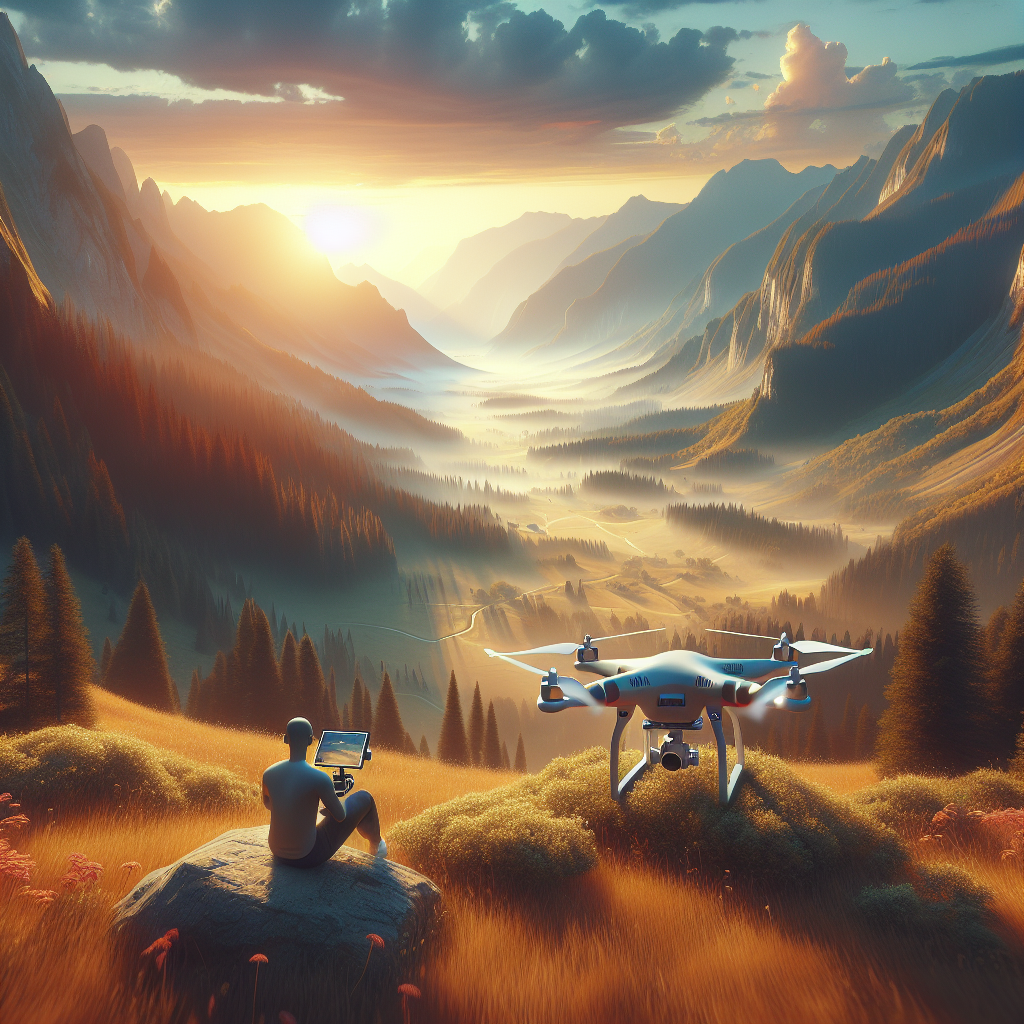
In the age of digital storytelling, the tools we use to convey our narratives have evolved dramatically. Among the most revolutionary of these tools is the drone—a marvel of modern technology that has transformed the way we capture, narrate, and share stories from above. The ability to weave compelling aerial narratives is no longer reserved for big-budget filmmakers; it is now accessible to anyone willing to master the art of drone aerial photography and videography. This article will guide you through the essential elements of mastering drone aerial narratives, empowering you to elevate your storytelling to new heights.
The Power of Perspective
One of the most significant advantages of drones is their ability to offer new perspectives. Traditional photography and videography are often limited by ground-level viewpoints, but drones can soar to great heights, offering a bird’s-eye view that transforms ordinary scenes into extraordinary visual narratives. This unique perspective allows storytellers to capture landscapes, events, and subjects in ways that were previously unimaginable.
Understanding Composition
Composition is a critical aspect of any visual narrative, and it becomes even more crucial when working with aerial footage. To create compelling compositions, consider the rule of thirds, leading lines, and symmetry. These elements help guide the viewer’s eye and create a sense of balance and harmony within the frame. When composing your aerial shots, think about how different angles and perspectives can enhance the story you want to tell.
Leveraging Scale and Depth
Drones can capture vast landscapes, but it’s essential to provide a sense of scale and depth to make these scenes impactful. Incorporating foreground elements, like trees or buildings, can help establish a scale that enhances the viewer’s understanding of the scene’s grandeur. Additionally, using techniques like layering and aerial parallax can add depth to your shots, making them more dynamic and engaging.
Technical Mastery: Getting to Know Your Drone
To effectively leverage drones in storytelling, one must first achieve technical mastery over the equipment. This involves understanding the capabilities and limitations of your drone, as well as mastering the art of flying and filming simultaneously.
Choosing the Right Drone
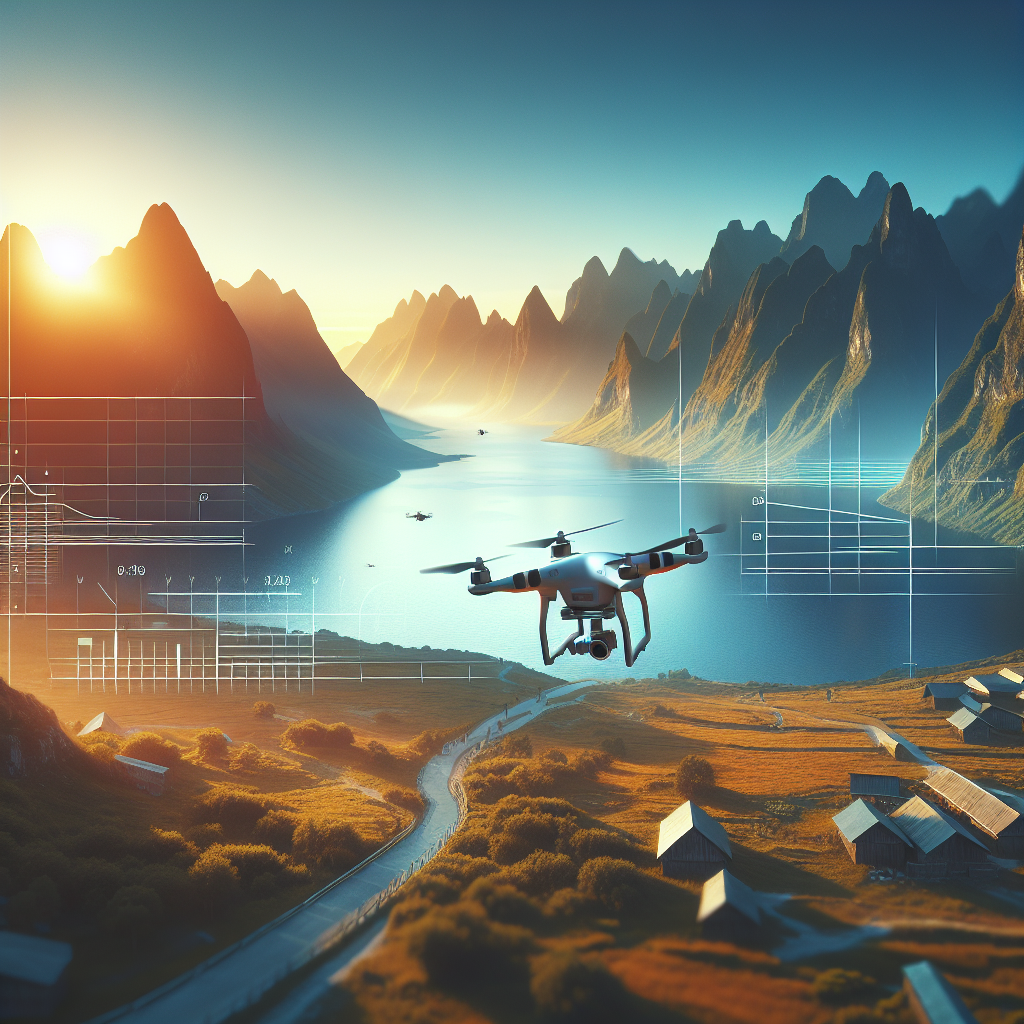
Selecting the right drone is a crucial first step. Consider factors such as camera quality, flight time, range, and stability. For those just starting, user-friendly models with built-in stabilization and high-resolution cameras can be excellent choices. More experienced pilots might opt for drones with advanced features like obstacle avoidance and customizable flight paths.
Flight Techniques
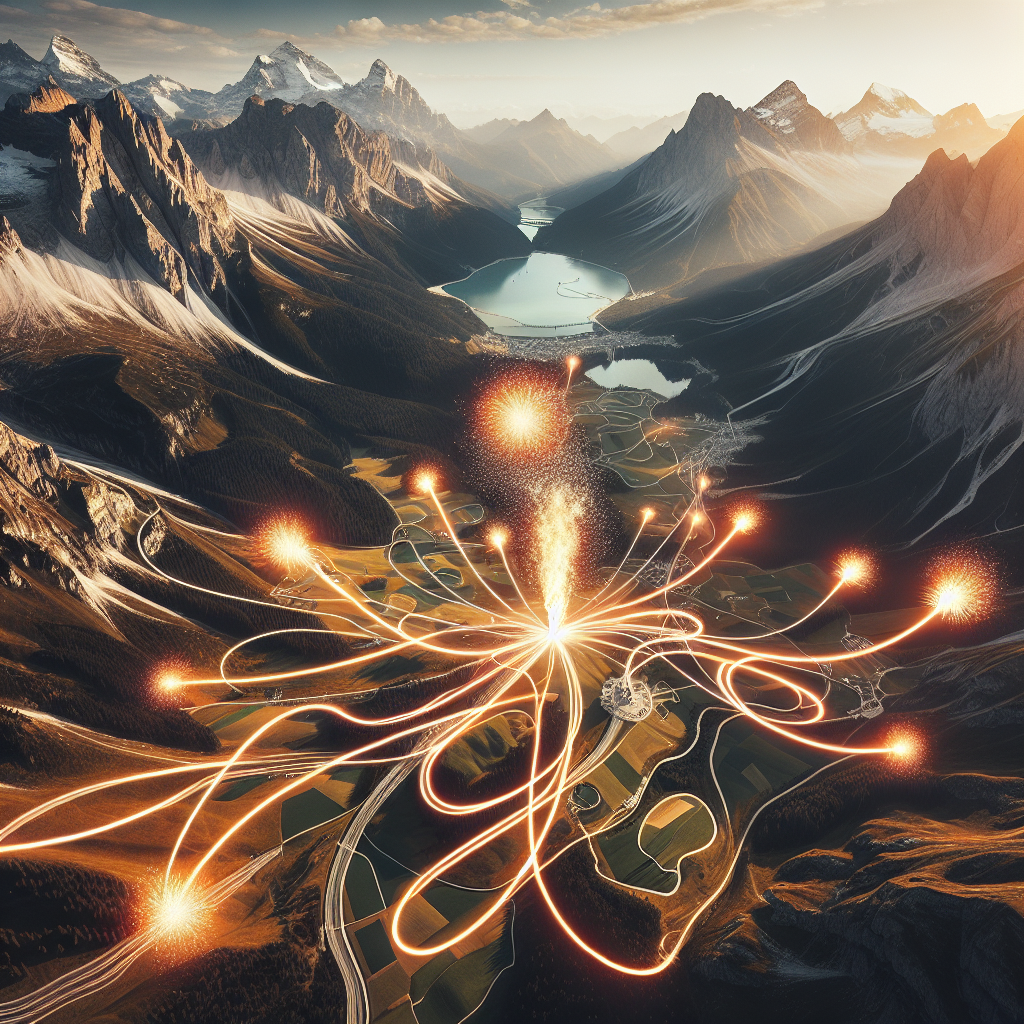
Mastering flight techniques is essential for capturing smooth, cinematic footage. Start by practicing basic maneuvers such as hovering, panning, and tilting. As you become more comfortable, experiment with more advanced techniques like orbiting, tracking shots, and reveal shots. These techniques can add dynamic movement to your footage, enhancing the storytelling potential of your aerial narratives.
Camera Settings and Cinematography
Understanding your drone’s camera settings is vital for achieving the best results. Adjust settings like ISO, shutter speed, and white balance to suit the lighting conditions and desired mood of your shots. Additionally, consider using ND filters to control exposure and achieve motion blur, enhancing the cinematic quality of your footage. Experiment with different frame rates and resolutions to find the best combination for your storytelling needs.
Crafting a Compelling Narrative
While technical proficiency is essential, storytelling remains at the heart of any successful aerial narrative. To craft a compelling story, focus on the following elements:
Theme and Purpose
Every great story begins with a clear theme or purpose. Ask yourself: What message do I want to convey? What emotions do I want to evoke in my audience? Whether it’s showcasing the beauty of nature, documenting a once-in-a-lifetime event, or highlighting social issues, having a clear theme will guide your creative decisions and give your narrative direction.
Story Structure
Like any good story, a strong aerial narrative should have a beginning, middle, and end. The beginning sets the stage and introduces the viewer to the setting or subject. The middle develops the narrative, adding depth and complexity. Finally, the end provides closure, leaving the audience with a lasting impression. Consider using storyboarding techniques to plan your shots and ensure a cohesive narrative flow.
Emotional Engagement
Emotional engagement is key to any successful story. Use your aerial footage to create a sense of awe, wonder, excitement, or nostalgia. Consider how elements like music, voiceover, and sound design can enhance the emotional impact of your narrative. By connecting with your audience on an emotional level, you can create a more memorable and impactful story.
Editing: Bringing It All Together
The editing process is where your story truly comes to life. This is where you combine your footage, sound, and effects to craft a cohesive and compelling narrative.
Choosing the Right Software
There are numerous editing software options available, ranging from beginner-friendly programs like iMovie and Adobe Premiere Elements to professional-grade tools like Adobe Premiere Pro and Final Cut Pro. Choose a software that matches your skill level and offers the features you need to bring your vision to life.
Seamless Transitions and Timing
Transitions and timing play a critical role in maintaining the flow of your narrative. Use transitions sparingly and purposefully, opting for simple cuts and fades that enhance rather than distract from the story. Pay attention to timing, allowing your shots to linger just long enough to convey the intended emotion or message.
Color Grading and Sound Design
Color grading can dramatically impact the mood and tone of your aerial narrative. Experiment with different color palettes to enhance the visual appeal and emotional impact of your footage. Sound design is equally important; carefully select music, sound effects, and voiceovers that complement your story and enhance the viewer’s experience.
Conclusion: Elevate Your Storytelling
Mastering drone aerial narratives is a journey that combines technical skill, creative vision, and storytelling prowess. By embracing the unique perspectives offered by drones, honing your technical abilities, and crafting compelling narratives, you can elevate your storytelling to new heights. Whether you’re an aspiring filmmaker, a seasoned photographer, or simply a storyteller at heart, the sky is truly the limit when it comes to capturing and sharing your stories through the lens of a drone. So, take to the skies, explore new perspectives, and let your aerial narratives captivate and inspire audiences around the world.
Share this content:

Post Comment