Master Drone Flight: Essential Training Tips for Beginners
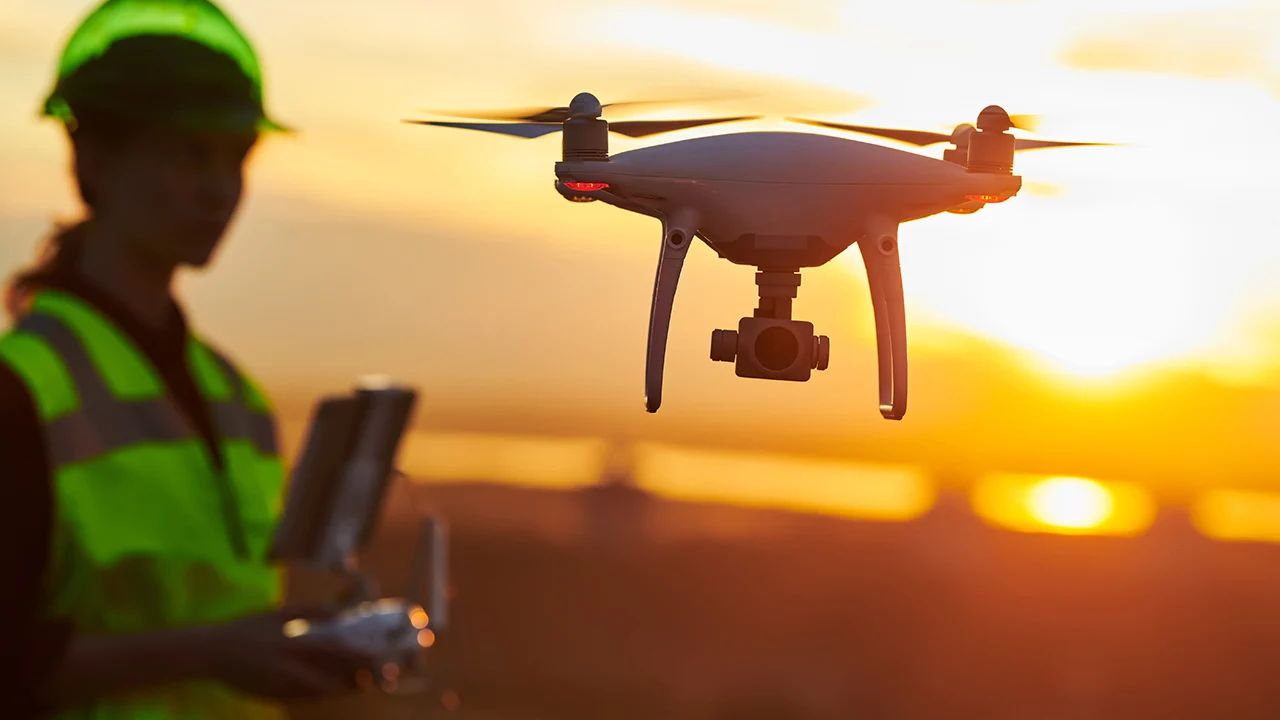
The world of drones is expanding rapidly, with enthusiasts and professionals alike exploring the skies for both recreational and commercial purposes. Whether you’re interested in aerial photography, racing, or simply exploring the world from above, mastering the art of drone flight is essential. This guide provides essential training tips for beginners to help you navigate the initial learning curve and take to the skies confidently.
Understanding Drone Basics
Choosing the Right Drone
Before you embark on your drone-flying journey, it’s crucial to choose the right drone for your needs. Consider factors such as budget, purpose (e.g., photography, racing, or general use), and skill level. Beginner drones often come with features like headless mode, altitude hold, and one-key takeoff/landing to make flying easier.
Familiarizing Yourself with Controls
Understanding the remote control or app interface is a fundamental step. A standard drone controller typically includes two joysticks: one controls altitude and rotation, while the other controls movement in different directions. Spend time familiarizing yourself with these controls before your first flight.
Pre-Flight Preparations
Reading the Manual
While it may be tempting to skip directly to flying, reading the manual is crucial. It provides insights into the drone’s specific features, maintenance instructions, and troubleshooting tips that are invaluable for a smooth flying experience.
Checking Local Regulations
Every region has its own set of rules regarding drone usage. Ensure you are familiar with local regulations, which may include restrictions on flight altitude, no-fly zones, and registration requirements. Violating these rules can result in fines or confiscation of your drone.
Conducting a Pre-Flight Checklist
Before each flight, perform a thorough pre-flight checklist. Check the battery levels of both the drone and the controller, ensure propellers are securely attached, and confirm that the GPS and compass are calibrated. This ensures a safe and uninterrupted flying experience.
Mastering Basic Flight Maneuvers
Takeoff and Landing
Practice takeoff and landing in an open, obstacle-free area. Start with a flat surface, and gradually progress to more challenging terrains as you gain confidence. Mastering smooth takeoffs and landings is fundamental to drone flight.
Hovering
Hovering is a critical skill that allows you to stabilize your drone mid-air. Practice holding the drone steady at various altitudes without drifting. This skill is particularly useful for capturing steady aerial shots.
Basic Movements
Once you’re comfortable with hovering, practice basic movements: moving forward, backward, left, and right. Gradually combine these movements to fly in circles or figures of eight. This helps build your control and coordination.
Enhancing Flight Skills
Understanding Wind and Weather Conditions
Wind and weather conditions can significantly impact your flight experience. Learn to assess wind speed and direction before flying. Avoid flying in high winds or adverse weather conditions to prevent accidents or loss of control.
Practicing in Different Environments
As you gain confidence, practice flying in different environments. Start in open fields, then progress to more complex environments like urban settings or wooded areas. Each environment presents unique challenges that will enhance your skills.
Simulators and Virtual Training
Flight simulators and virtual training programs are excellent tools for practicing without risk. They allow you to try advanced maneuvers and experience various flight scenarios, helping you build confidence and skill.
Advanced Techniques and Considerations
Aerial Photography and Videography
If your goal is to capture stunning aerial images, focus on learning techniques specific to photography and videography. This includes understanding camera settings, mastering smooth camera movements, and planning your shots for the best composition.
Flight Path Planning
Planning your flight path is crucial for efficient and safe flying. Use GPS and mapping tools to pre-plan your routes, taking into consideration potential obstacles and no-fly zones. This is especially important for commercial operations.
Battery Management
Battery life is a critical factor in drone flight. Learn to manage your battery effectively by monitoring usage and carrying spare batteries for longer sessions. Always land safely with ample battery life remaining to avoid crashes.
Safety and Maintenance
Ensuring Safe Flying Practices
Safety should always be your top priority. Maintain a safe distance from people, animals, and property. Avoid flying near airports, crowded areas, and sensitive locations. Always keep your drone within line of sight.
Regular Maintenance Checks
Regular maintenance ensures the longevity and performance of your drone. Clean the propellers, check for damage, update firmware, and store your drone properly when not in use. Routine maintenance prevents unexpected malfunctions during flight.
Conclusion
Mastering drone flight requires patience, practice, and a keen understanding of both your drone and the environment. By following these essential training tips, beginners can build a strong foundation in drone piloting, paving the way for more advanced skills and exciting aerial adventures. As you progress, remember to stay updated with the latest drone technology and regulations to ensure a safe and fulfilling experience.
Share this content:



Post Comment