Understanding New Drone Registration Rules: A Complete Guide
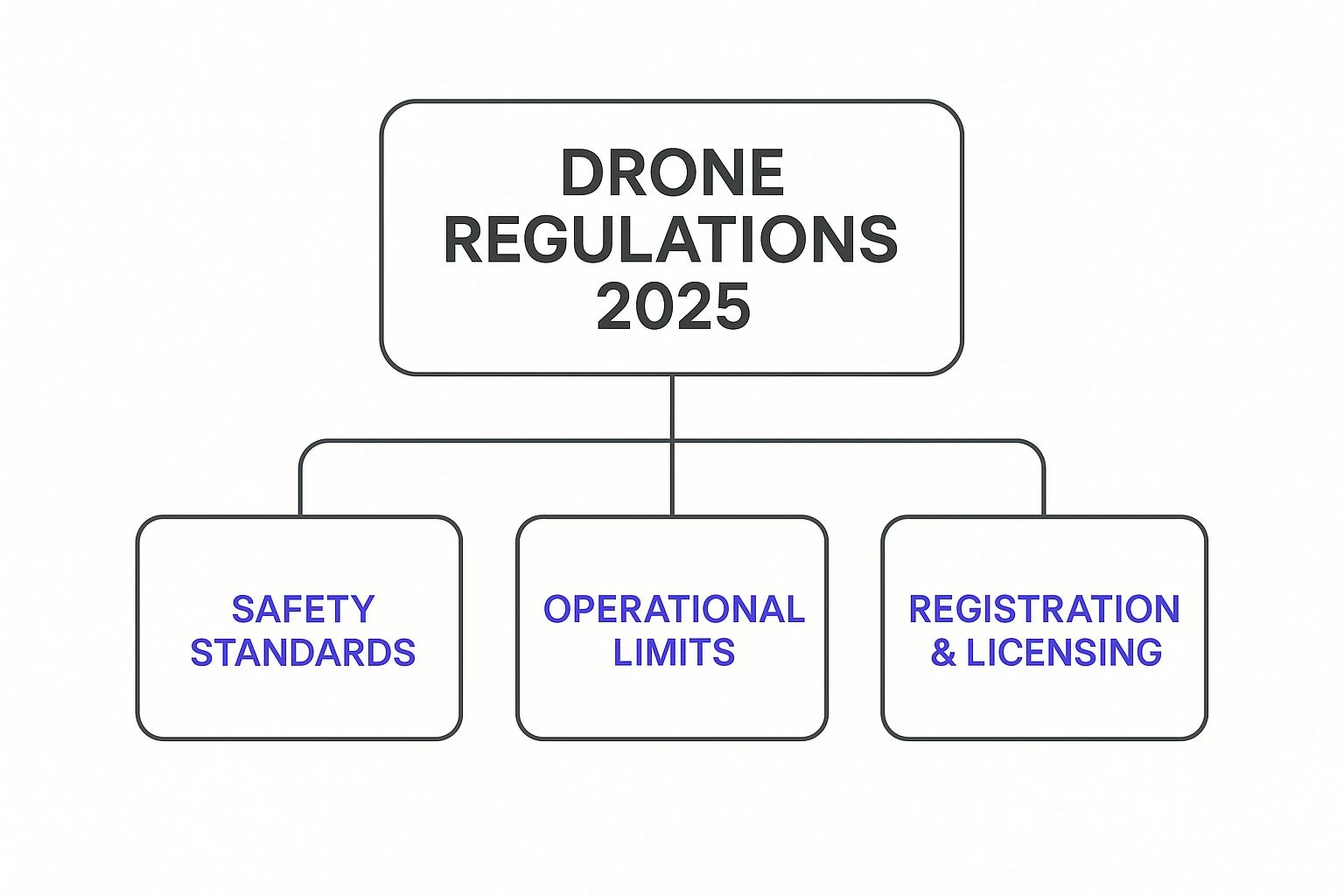
Drones have rapidly transitioned from niche hobbyist gadgets to essential tools in various industries, including agriculture, cinematography, and logistics. As drone usage proliferates, so does the need for effective regulation to ensure safety, privacy, and security. One of the critical components of these regulatory frameworks worldwide is the requirement for drone registration. This article aims to provide a comprehensive guide to understanding the new drone registration rules, highlighting key aspects for both recreational and commercial drone operators.
Why Drone Registration is Necessary
The proliferation of drones in civilian airspace presents unique challenges. From potential collisions with manned aircraft to privacy concerns and unauthorized flights over restricted areas, the risks associated with unregulated drone usage are significant. Registration helps authorities manage these risks by maintaining a database of drone operators and their machines. This database facilitates accountability, aids in enforcement of no-fly zones, and assists in investigating incidents involving drones.
Overview of the New Drone Registration Rules
With the evolution of drone technology and its applications, regulatory bodies worldwide have updated their registration requirements. These new rules often reflect advancements in technology, changing security landscapes, and lessons learned from previous regulatory frameworks. The Federal Aviation Administration (FAA) in the United States, the European Union Aviation Safety Agency (EASA), and other international bodies have introduced comprehensive updates to ensure that drone operations remain safe and efficient.
Key Changes in the Registration Process
The new rules typically include changes in the following areas:
- Weight and Classification: The threshold for mandatory registration often depends on the drone’s weight and intended use. This can affect both hobbyists and commercial operators.
- Remote ID Requirements: Many jurisdictions now require drones to be equipped with remote identification systems, allowing authorities to track and identify drones in real-time.
- Validity and Renewal: Registration validity periods may vary, with some rules necessitating periodic renewals to keep information current.
Step-by-Step Guide to Registering Your Drone
Registering your drone can seem daunting, but breaking down the process into manageable steps can simplify it considerably. Here’s a general guide that can be adapted to specific regulatory environments:
Step 1: Determine Your Drone’s Eligibility
The first step is to determine whether your drone needs to be registered. This typically depends on its weight and purpose. For instance, in the U.S., drones weighing more than 0.55 pounds (250 grams) and less than 55 pounds must be registered.
Step 2: Prepare Necessary Documentation
Gather all required documentation, including proof of ownership, your personal identification details, and any unique identifiers for your drone, such as a serial number. Some regions may also require insurance information.
Step 3: Create an Online Account
Most regulatory bodies offer online platforms for drone registration. Create an account using a valid email address, and ensure your contact information is accurate for future correspondence.
Step 4: Complete the Registration Form
Complete the registration form with accurate details about your drone and your intended use. Pay close attention to any additional requirements, such as indicating whether the drone will be used for commercial purposes.
Step 5: Pay the Registration Fee
A nominal fee is usually required to process your registration. Payment methods may vary, but credit card payments are typically accepted on online platforms.
Step 6: Receive Your Registration Number
After successful registration, you will receive a unique registration number. This number must be clearly marked on your drone. Some jurisdictions specify how this marking should be done, such as using a permanent label or engraving.
Step 7: Renew Your Registration
Keep track of your registration’s expiration date and renew it before it lapses to avoid penalties. Some regulatory bodies offer automated reminders to help you stay compliant.
Understanding Remote Identification Requirements
Remote identification (Remote ID) is a significant development in drone regulation. It functions like a digital license plate, broadcasting a drone’s location, operator information, and other vital data to authorized personnel. This feature aids in airspace management, security, and incident response.
Depending on the jurisdiction, Remote ID compliance may be required for all drones or only those operating in specific areas. Drone manufacturers are increasingly incorporating Remote ID technology into new models, but retrofit options are available for older drones.
Privacy and Data Protection Concerns
Drone registration and Remote ID raise important privacy considerations. Operators must be aware of how their data is used and stored. Regulatory bodies often have strict data protection policies, ensuring that operator information is used solely for regulatory and safety purposes. However, operators should remain vigilant and understand their rights regarding data privacy.
International Harmonization of Drone Regulations
As drones operate in global airspace, international harmonization of regulations is crucial. Organizations like the International Civil Aviation Organization (ICAO) work towards creating standardized regulations that facilitate safe cross-border drone operations. Operators planning to fly drones internationally should familiarize themselves with both local and international regulations to ensure compliance.
Conclusion: Staying Informed and Compliant
Navigating the new drone registration rules can be complex, but understanding the requirements is essential for legal and safe drone operation. As regulations continue to evolve, staying informed and compliant ensures that you can enjoy the benefits of drone technology while contributing to a safer airspace for everyone. Whether you are a hobbyist or a commercial operator, make it a priority to stay updated on the latest developments in drone regulations and registration requirements.
Share this content:


Post Comment