Ultimate Beginner’s Guide to Flying Drones Safely
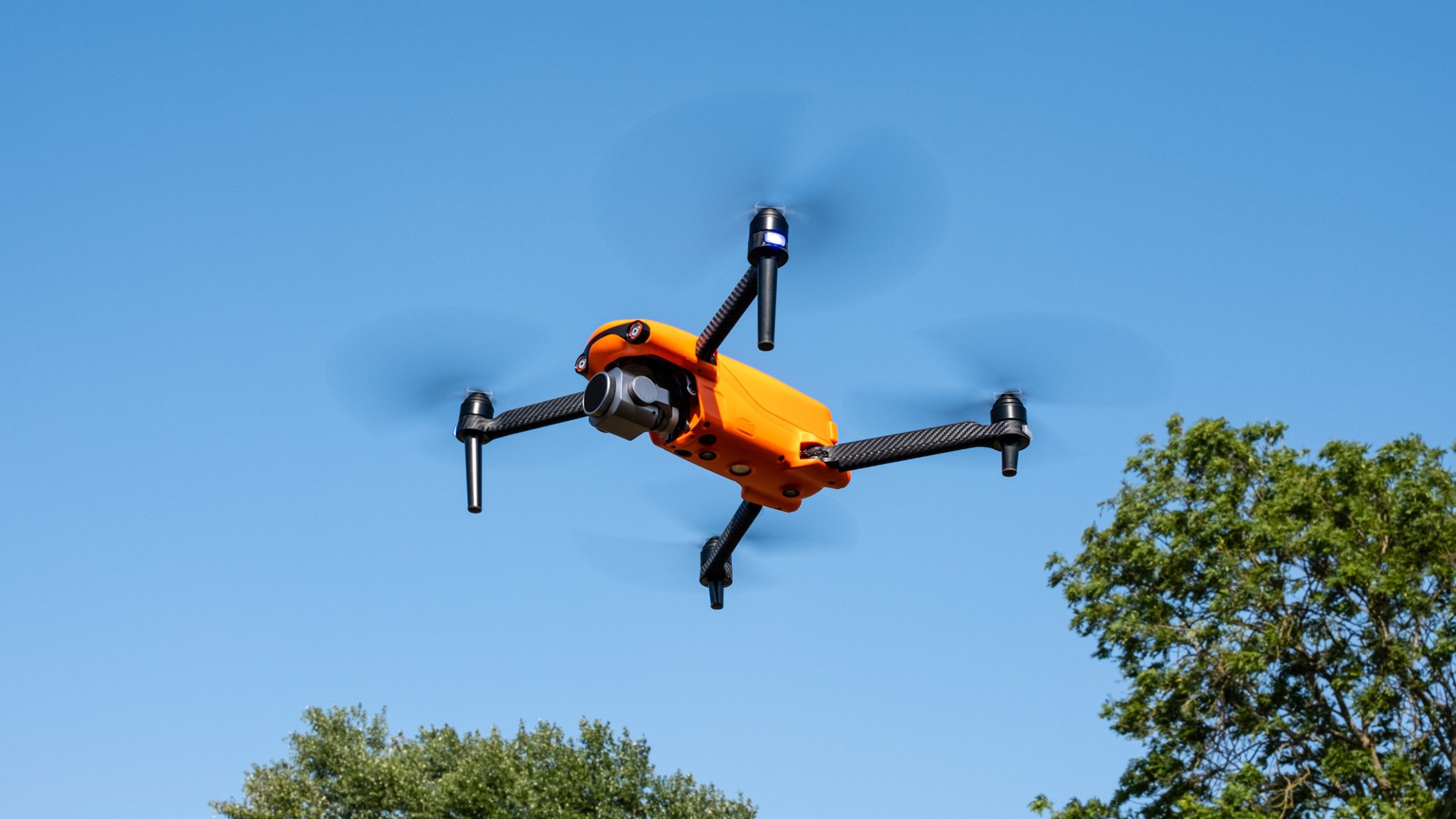
Flying drones has become an increasingly popular hobby and profession, offering enthusiasts a new perspective on the world. Whether you’re looking to capture stunning aerial photographs, explore remote locations, or simply enjoy the thrill of flying, drones provide countless opportunities. However, with great power comes great responsibility. Understanding how to fly drones safely is crucial for beginners to ensure their own safety, the safety of others, and the protection of the environment. This ultimate guide aims to equip you with the knowledge and skills necessary to enjoy your drone experience while adhering to safety standards.
Understanding Drone Basics
Types of Drones
Before delving into safety tips, it’s essential to understand the different types of drones available. Consumer drones are typically categorized into the following groups:
1. **Toy Drones**: Affordable and easy to fly, these drones are perfect for beginners who want to practice their skills without breaking the bank.
2. **Camera Drones**: Equipped with high-quality cameras, these drones are ideal for photography and videography enthusiasts.
3. **Racing Drones**: Designed for speed and agility, racing drones offer an adrenaline-pumping experience for competitive flyers.
4. **Professional Drones**: Used for commercial purposes, these drones often come with advanced features and require more expertise to operate.
Key Components
Familiarize yourself with the basic components of a drone to ensure proper operation and maintenance:
– **Frame**: The structure that holds all the components together.
– **Motors and Propellers**: Provide lift and control the movement of the drone.
– **Battery**: Powers the drone; always monitor battery life to avoid crashes.
– **Camera**: Found on camera drones, used for capturing images and videos.
– **Flight Controller**: The brain of the drone, responsible for stabilization and navigation.
– **Transmitter/Remote Control**: Used by the pilot to control the drone.
Preparing for Your First Flight
Research Local Regulations
Before taking to the skies, familiarize yourself with the legal requirements for flying drones in your area. Regulations vary by country, so it’s crucial to comply with local laws. Common rules include:
– Registering your drone if it exceeds a specified weight.
– Flying below a certain altitude, typically 400 feet.
– Maintaining a visual line of sight with your drone at all times.
– Avoiding restricted areas, such as airports, military bases, and national parks.
Choosing the Right Location
Selecting a safe location for your first flight is vital. Look for open spaces away from people, buildings, and obstacles. Parks, fields, and rural areas are excellent choices for beginners. Ensure that the area is not a no-fly zone and check for any temporary flight restrictions.
Pre-Flight Checklist
Before launching your drone, perform a thorough pre-flight check to ensure everything is in order:
– Inspect the drone for any physical damage.
– Verify that the battery is fully charged.
– Confirm that the propellers are securely attached.
– Test the remote control and ensure it’s fully functional.
– Calibrate the drone’s compass and gyro systems if necessary.
Mastering Basic Flight Skills
Learning Controls
Understanding and mastering the controls of your drone is fundamental to safe flying. Most drones are controlled using a remote with two joysticks:
– **Left Stick**: Controls altitude (up/down) and yaw (rotation).
– **Right Stick**: Controls pitch (forward/backward) and roll (left/right).
Spend time practicing these controls in a safe environment to build muscle memory and confidence.
Practicing Hovering
Hovering is a critical skill for drone pilots. It involves keeping the drone stable in a fixed position. Practice hovering at different altitudes to get a feel for the drone’s responsiveness and to improve your control precision.
Navigating Basic Maneuvers
Once comfortable with hovering, practice basic maneuvers such as:
– **Ascending and Descending**: Smoothly increase and decrease altitude.
– **Yawing**: Rotate the drone left or right while maintaining position.
– **Pitching and Rolling**: Move the drone forward, backward, left, or right.
Gradually increase the complexity of your maneuvers as your skills improve.
Ensuring Safety During Flight
Maintaining Line of Sight
Always keep your drone within your line of sight. This rule not only complies with most regulatory requirements but also ensures you can react quickly to potential hazards.
Monitoring Battery Life
Keep a close eye on your drone’s battery level during flight. Most drones have a return-to-home feature that activates when the battery is low. Familiarize yourself with this feature and ensure it’s enabled.
Avoiding Obstacles
Use caution when flying near obstacles such as trees, buildings, and power lines. Many drones are equipped with obstacle avoidance systems, but it’s crucial to remain vigilant and proactive in avoiding potential collisions.
Post-Flight Procedures
Powering Down Safely
After landing, power down your drone and remote control. Disconnect the battery to prevent accidental activation.
Inspecting for Damage
Examine your drone for any signs of damage or wear and tear. Check the propellers, motors, and frame for any issues that may need attention before your next flight.
Data Management
If you’ve captured photos or videos, transfer and back up your data. Review your footage to assess your flight performance and identify areas for improvement.
Continuous Learning and Improvement
Joining a Community
Engaging with other drone enthusiasts can enhance your learning experience. Join local or online drone communities to share experiences, ask questions, and stay updated on the latest trends and technologies.
Expanding Your Skills
As you become more comfortable with basic flying skills, challenge yourself with advanced techniques such as aerial photography, videography, or drone racing. Consider enrolling in a drone flying course for formal training.
Conclusion
Flying drones safely requires a combination of knowledge, preparation, and practice. By understanding your drone, adhering to regulations, and honing your flight skills, you can enjoy the many benefits of drone flying while minimizing risks. Remember, safety should always be your top priority. With time and experience, you’ll gain confidence and proficiency, unlocking the full potential of your drone adventures.
Share this content:



Post Comment