Top Drone Flying Mistakes to Avoid for Beginners
Not Knowing the Regulations
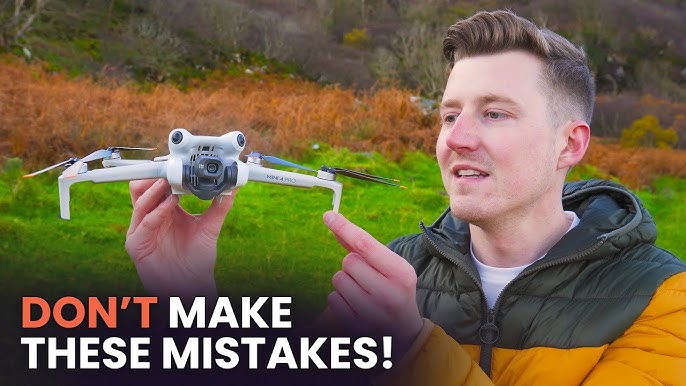
One of the most critical mistakes beginners make is neglecting to learn the rules and regulations surrounding drone flight. Many countries have strict laws governing where and how drones can be flown. Failing to comply with these regulations can result in hefty fines or even confiscation of your drone.
Understanding Airspace Requirements
It’s essential to familiarize yourself with airspace classifications. Many areas, especially near airports, military bases, and government installations, have restricted airspace. Using apps or maps provided by aviation authorities can help you identify no-fly zones.
Registering Your Drone
In many regions, drones over a certain weight must be registered with the appropriate aviation authority. Failing to do so can result in penalties. Ensure you have completed all necessary paperwork before taking flight.
Ignoring Weather Conditions
Weather plays a crucial role in drone flying. Beginners often underestimate the impact of wind, rain, and other weather conditions on drone performance.
Underestimating Wind
Wind is one of the most underestimated weather conditions by new drone pilots. High winds can lead to loss of control or even cause the drone to crash. Always check the wind speed and ensure it’s within your drone’s operating limits.
Flying in Poor Visibility
Fog, rain, or low light conditions can significantly reduce visibility, making it difficult to maintain visual line-of-sight with your drone. Always ensure you have a clear view of your drone and its surroundings.
Skipping Pre-flight Checks
Like any other aircraft, drones require thorough pre-flight checks. Beginners often skip these crucial steps, leading to avoidable mishaps.
Battery Levels
Ensure your drone and controller batteries are fully charged before flying. An unexpected low battery warning mid-flight can lead to panic and accidents.
Propeller Inspection
Inspect your propellers for any signs of wear and tear. Damaged propellers can severely affect flight stability and performance.
Overreliance on GPS
While GPS can be a fantastic tool for navigation, relying solely on it can lead to problems. Beginners often assume GPS will handle everything, which isn’t always the case.
Understanding GPS Limitations
GPS signals can be obstructed by buildings, trees, or interference, leading to potential loss of control. Always be prepared to switch to manual control if GPS fails.
Practicing Manual Control
Spend time learning how to fly your drone manually. This skill is invaluable if you lose GPS signal or encounter unexpected issues during flight.
Flying Beyond Line of Sight
One of the most common mistakes is flying the drone beyond the visual line of sight (BVLOS). This is not only illegal in many jurisdictions but also increases the risk of losing your drone.
Maintaining Visual Contact
Always keep your drone within your line of sight. This ensures you can respond quickly to any obstacles or changes in flight conditions.
Using Spotters
If you plan to fly in complex environments, consider using a spotter to help you keep track of your drone’s position and surroundings.
Not Investing in Training
Many beginners believe they can learn to fly a drone through trial and error. While self-learning is possible, professional training can accelerate your learning curve and reduce the risk of accidents.
Taking Online Courses
Numerous online courses offer comprehensive training on drone flying, covering everything from basic controls to advanced maneuvers and safety protocols.
Joining Local Drone Clubs
Joining a local drone club can provide access to experienced pilots who can offer tips, advice, and even hands-on training.
Conclusion
Flying a drone is a rewarding hobby that offers endless possibilities for exploration and creativity. However, it comes with responsibilities and challenges, especially for beginners. By avoiding these common mistakes and investing time in learning and preparation, new pilots can ensure a safe and enjoyable flying experience. Always remember to respect the rules, be aware of your surroundings, and continue learning to become a proficient drone pilot.
Share this content:



Post Comment